

Heating oil guide
Use less heating oil without making your home miserable
If you're already cold, "turn the heating down" is no use. The better question is whether the heat you pay for reaches the rooms you use, at the times you use them.
By Tankful. Sources checked on
Changes that cost nothing
What each control actually changes
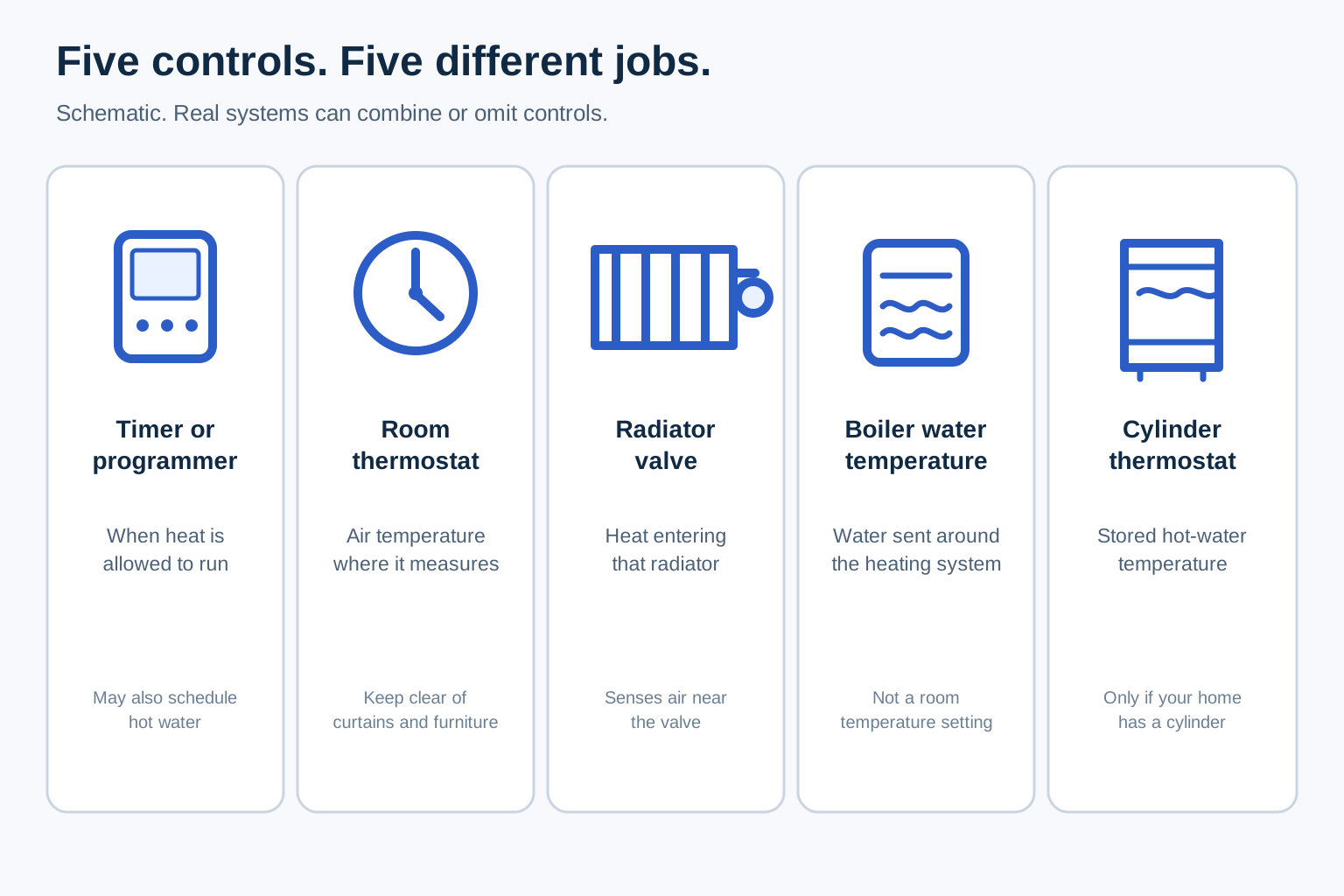
The boiler dial is not a room-temperature setting. Each control does a separate job:
| Control | What it changes |
|---|---|
| Timer or programmer | When the heating may run. Some have separate schedules for rooms and hot water. |
| Room thermostat | The air temperature you want at the spot where the thermostat sits. |
| Thermostatic radiator valve | How much heat enters that radiator, based on the air temperature around the valve. |
| Boiler temperature control | How hot the water circulating through the system gets. Not a room-temperature setting. |
| Hot-water cylinder thermostat | The temperature of stored tap water, if you have a cylinder. |
- Timer or programmer
- When the heating may run. Some have separate schedules for rooms and hot water.
- Room thermostat
- The air temperature you want at the spot where the thermostat sits.
- Thermostatic radiator valve
- How much heat enters that radiator, based on the air temperature around the valve.
- Boiler temperature control
- How hot the water circulating through the system gets. Not a room-temperature setting.
- Hot-water cylinder thermostat
- The temperature of stored tap water, if you have a cylinder.
A programmable room thermostat does the timer's job as well. Not every system has all five.
Fit the timer to your actual week
A wrong clock or day, a forgotten weekend programme, or a manual override left on will all bypass the schedule you think you have.
Sources4
An example: someone leaves at 8am and gets home at 6pm, with radiators set for 6:30 to 9am and 4 to 11pm. The afternoon heat starts two hours before anyone is in.
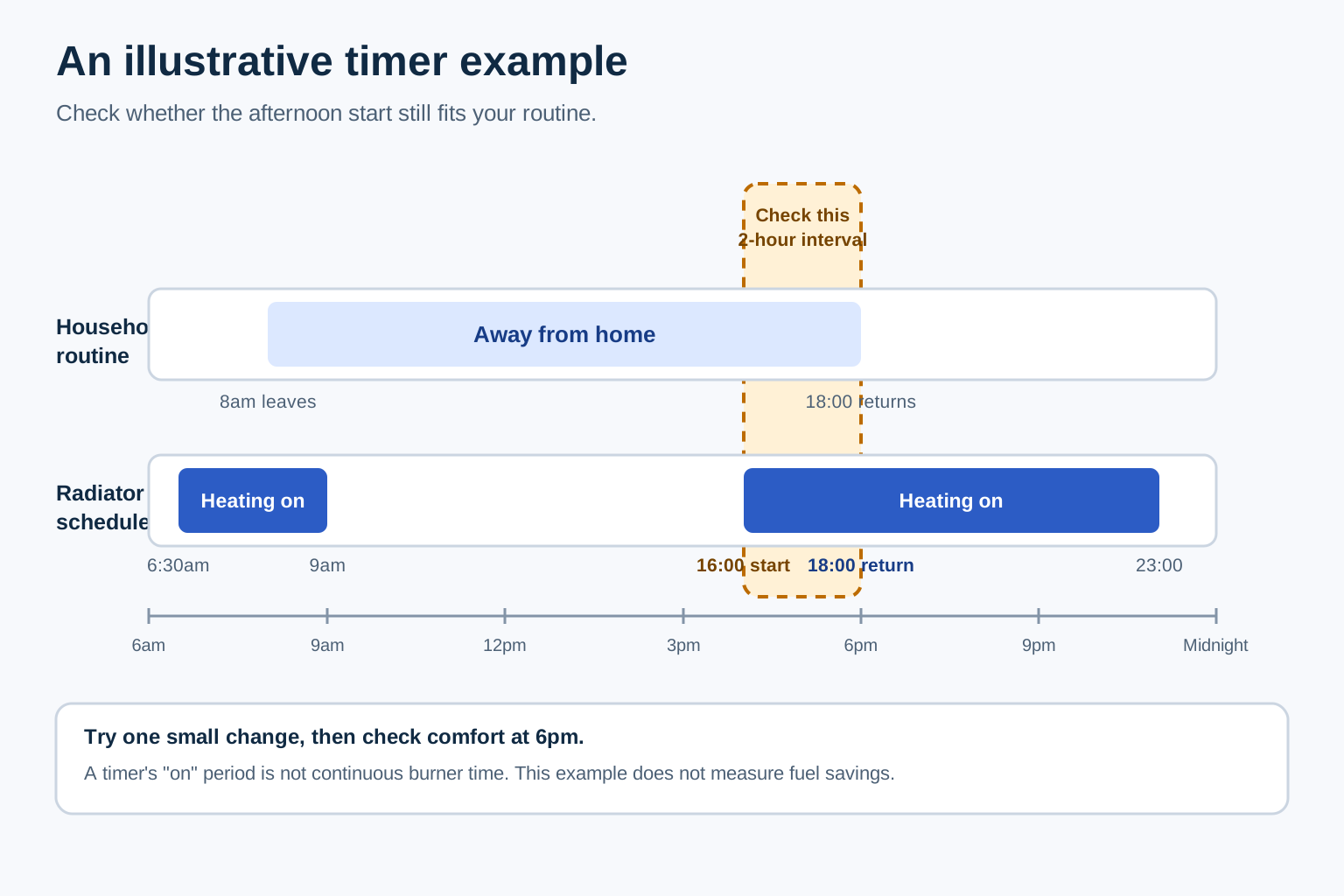
Push the afternoon start later in small steps while the house is still comfortable at 6pm, and pull it back once it isn't. Do the same with heating that runs well past bedtime.
Sources6
Keep frost protection and some background warmth. A lower setback temperature can work better than switching off entirely. Underfloor heating responds slowly and needs its own schedule.
"On" on the timer doesn't mean the burner is firing. Thermostats cut the demand for heat within that period, so trimming an hour from the programme won't save a predictable amount of oil.
Sources8
Why a higher thermostat setting won't heat faster
With an ordinary on/off thermostat, setting 25°C doesn't get the house to 20°C any sooner. It just tells the heating to keep going past 20°C. Start the heating earlier instead. And if you open windows because a room overheats, take the thermostat down a degree.
The numbers on thermostatic radiator valves are not a standard temperature scale; one brand's 3 is not another's. Judge them by how the room feels.
Radiators behind curtains and furniture
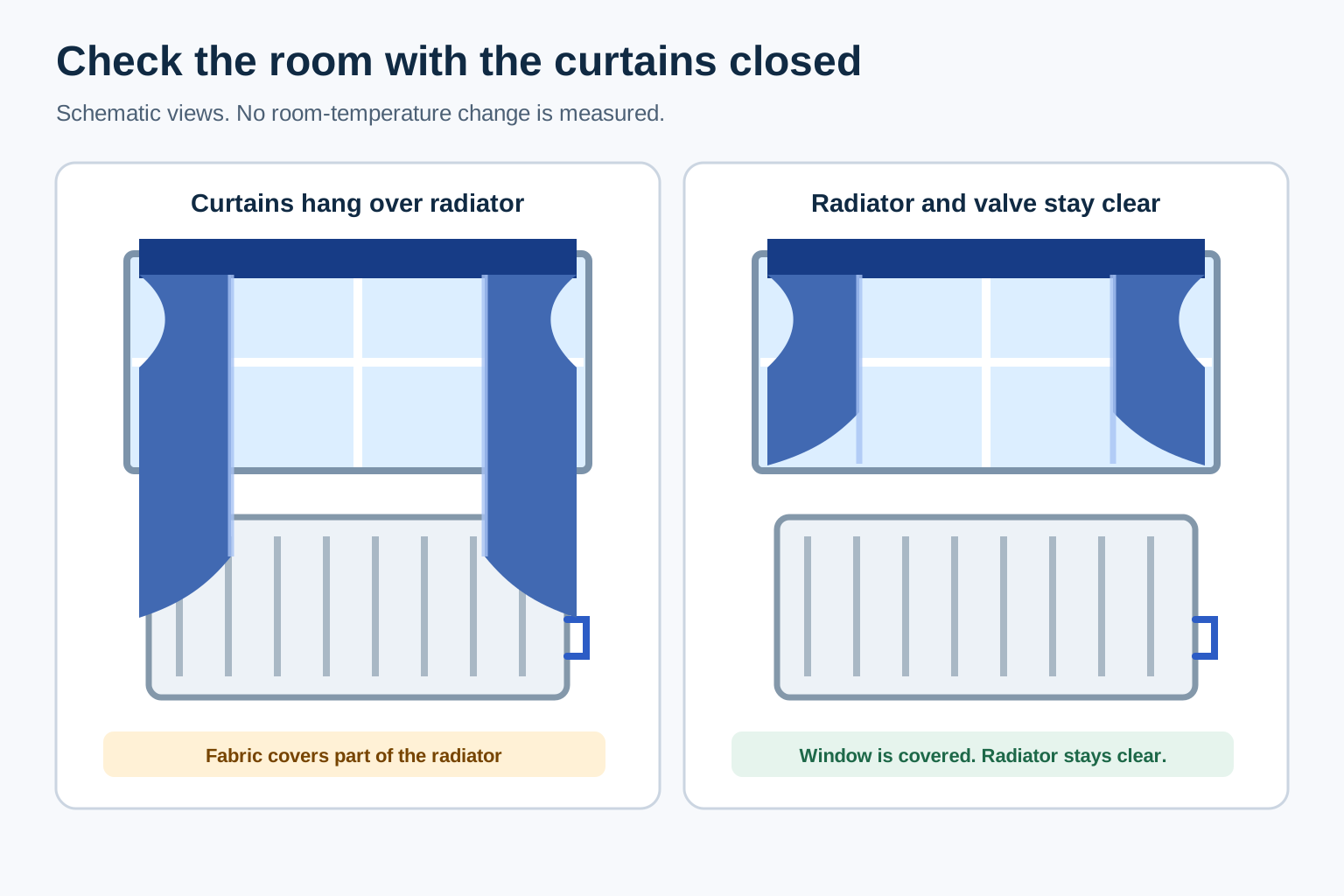
A radiator under a window ends up behind the curtains once they're drawn, so it heats the fabric and the glass. A valve or thermostat hemmed in by curtains or furniture reads the wrong air temperature.
Wet clothes on a radiator block heat and add moisture to the house.
Sources10
Radiators that warm when you only want hot water
If the radiators heat up whenever you run the boiler for showers, look for a separate hot-water programme. If there isn't one, or the radiators warm even on water-only, tell your technician: the system may need a repair or separate controls.
Sources8
Small purchases for problems you've found
Draught-proofing
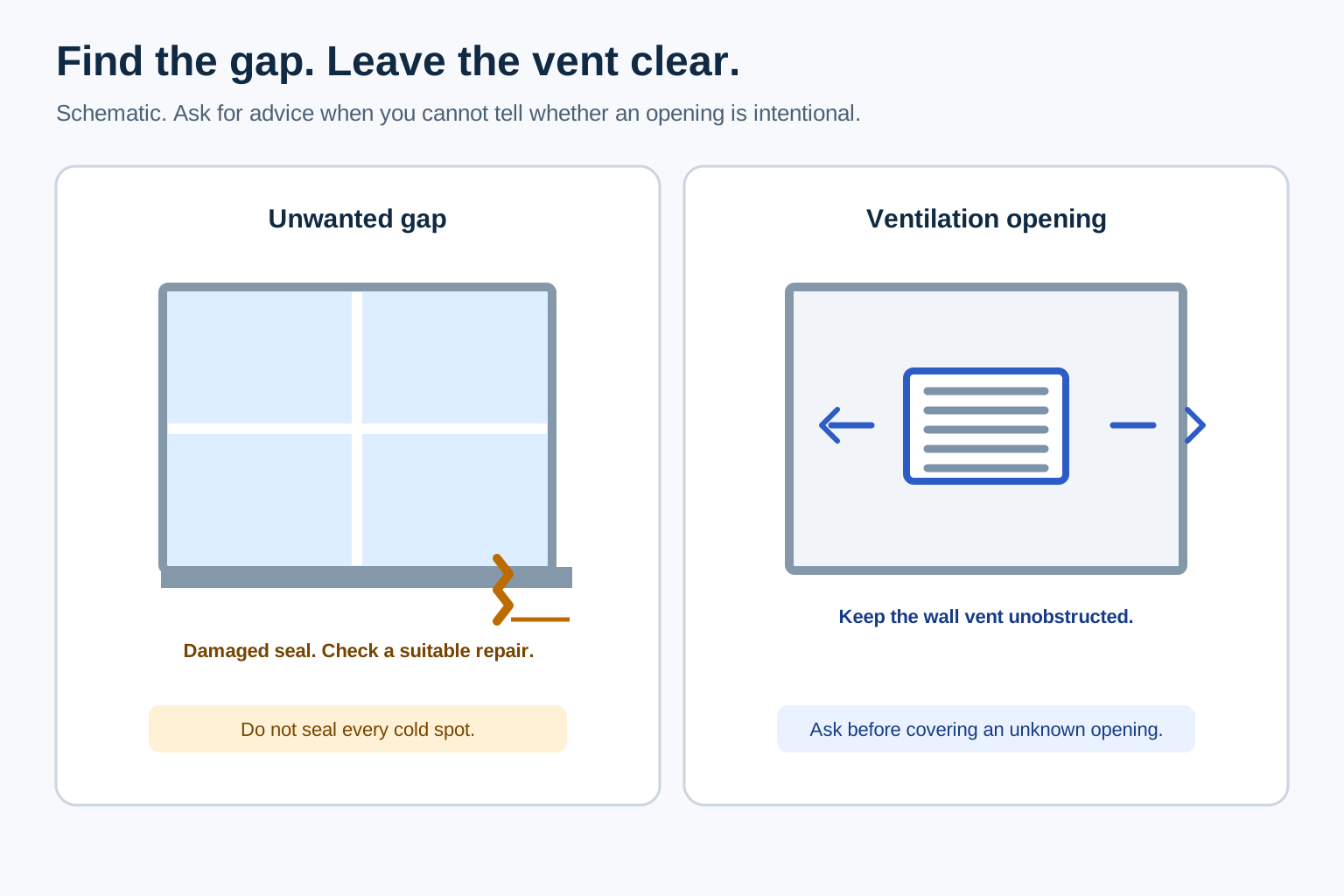
A gap under an external door usually needs a brush strip; a worn seal on an opening window needs replacement draught-proofing. An over-thick strip can stop a window closing or locking.
Sources12
Leave ventilation alone. Wall vents, trickle vents, air bricks and extractor openings must stay clear, and some gaps under internal doors are part of the ventilation route.
Hot-water cylinder and pipes
A bare or poorly insulated cylinder loses heat between uses. A jacket cuts that loss, provided the cylinder manufacturer allows one, and accessible hot pipes can be lagged too. The boiler and flue must never be wrapped.
This saves oil only if oil heats your water. If an immersion does, the saving is on electricity.
Sources14
Smart controls
What a smart system saves depends largely on how well you already use the ordinary controls. Pay for one only to fix a specific gap: a timer you can't work, no separate control of rooms and hot water, or heating that keeps calling for heat after the room reaches temperature.
Faults worth getting checked
Getting more from the annual service
SEAI recommends a yearly boiler service and suggests asking the technician to explain your settings. Bring a list of symptoms, such as a cold room, repeated shutdowns, pressure that keeps dropping, or radiators warming on hot water only.
Questions worth asking during the visit:
"Which control changes room temperature, and which changes the boiler water?"
"Can I heat the hot water without heating the radiators?"
"Are any of the symptoms I described a repair job rather than part of a normal service?"
"What should I leave alone, and can you write down the settings you recommend?"
Balancing radiators, repairing valves and upgrading controls may cost extra on top of the service. A radiator that stays cold or heats much more slowly than the rest has several possible causes; it doesn't automatically mean a power flush or a new boiler.
Sources10
Problems that can't wait for the service
Repeated boiler lockouts need a technician, not more presses of the reset button. A visible oil leak needs urgent professional help, and spilled oil must never go down a drain.
Oil appliances can produce carbon monoxide. If the alarm sounds, stop using fuel-burning appliances, get into fresh air, follow HSE emergency guidance and stay out until you're told it's safe. Call 112 or 999 if you suspect someone has carbon monoxide poisoning.
If the house loses heat quickly
When the heating works but the warmth doesn't last, look at the building as well as the boiler. Have insulation, draughts and ventilation assessed before choosing an upgrade; attic insulation must keep roof ventilation and the clearances around fittings.
For grant-supported work, SEAI's eligibility and approval rules apply before any work starts. What matters is what you'd pay after the grant, not the grant amount.
Savings that backfire
HSE warns against blocking wall vents. Deal with moisture through extractor ventilation rather than sealing the house up.
Stored hot water at 60°C is not the same as a room at 20°C. SEAI's general guidance for the cylinder thermostat is 60 to 65°C, which keeps stored water hygienic but is hot enough to scald. Ask your technician about storage settings and safe temperatures at the taps rather than turning it down yourself.
Boiler temperature settings don't transfer between systems. One suggested for a combi boiler may be wrong for a boiler that heats a separate cylinder; go by your manufacturer's instructions and your technician.
How to tell whether a change helped
Log the date, tank reading, deliveries and what you changed, plus cold snaps or extra days at home. Tank depth isn't necessarily the same percentage as volume, so a gauge reading half-way may not mean half full.
Compare several similar weeks, not one mild weekend. A smaller refill bill may just mean a lower price, and buying fewer litres proves nothing if the tank is now emptier.
No percentage saving holds for every home. It depends on what was wasting heat, the weather, the building and how you use it, and separate savings estimates don't add up.
Sources18
When you need more oil
Tankful's heating-oil planner estimates when you'll need a top-up from your tank reading. It is an estimate, not a tank monitor or a delivery guarantee.
Sources18
Compare recent heating-oil prices for your county and order size. Each price shows when it was collected; the supplier confirms the final quote and delivery time.
Sources19